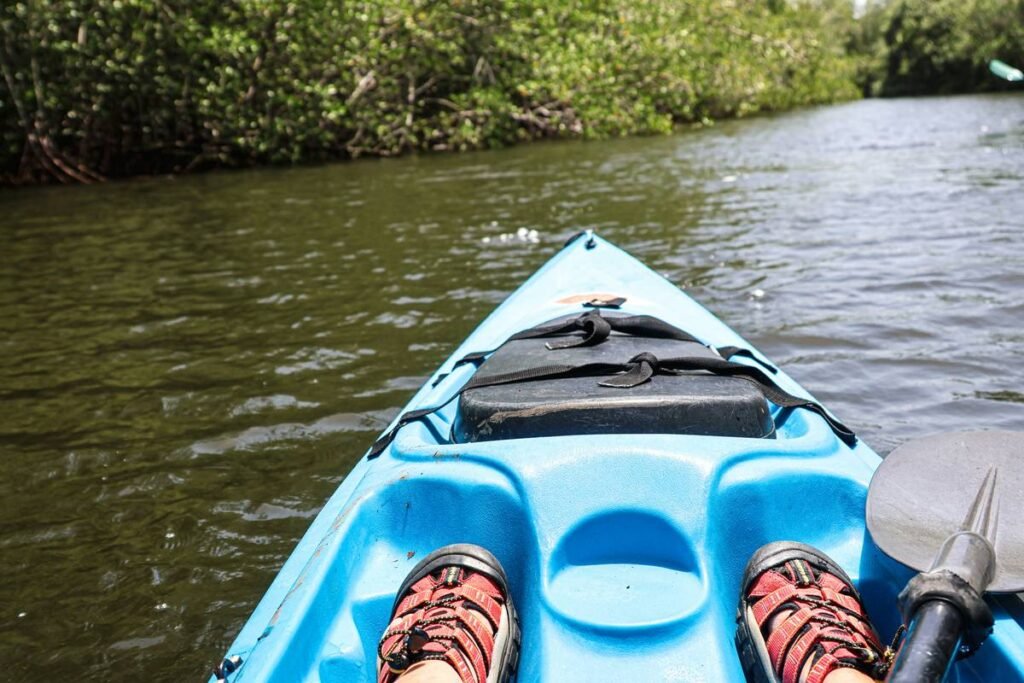
Ever shown up to a gorgeous lake, sun glistening off the water, kayak rental sign promising “only $20/hr”—then walked away $75 lighter with zero paddling done? Yeah. We’ve been there.
If you’ve ever wondered how much to rent a kayak—and why prices swing from coffee-run cheap to “is this kayak plated in gold?”—you’re not alone. Most folks don’t realize that the base rate is just the tip of the iceberg. Between damage waivers, insurance gaps, and seasonal markups, your day on the water can cost triple what Google suggested.
In this guide, you’ll learn:
- Real-world kayak rental rates across U.S. hotspots (with 2024 data)
- Why “free” insurance from rental shops might leave you holding a $1,200 bill
- How to slash costs without sacrificing safety—or fun
- When it’s smarter to buy than rent (yes, really)
Table of Contents
- The Real Cost of Kayak Rentals: It’s Not Just About the Hourly Rate
- Step-by-Step Guide to Renting a Kayak Without Getting Ripped Off
- Pro Tips for Saving Money (and Avoiding Headaches)
- Real Stories from the Water: When Rental Insurance Saved the Day
- FAQ: How Much to Rent a Kayak?
Key Takeaways
- Average kayak rentals cost $15–$50/hour or $40–$120/day in 2024—but location drastically shifts this.
- Most rental shops offer a “damage waiver” for $5–$15/day—but it’s not insurance; it’s limited liability coverage with major exclusions.
- Your personal auto or homeowners policy rarely covers rented watercraft—don’t assume otherwise.
- Booking midweek in shoulder season (May or September) can cut costs by 30–50%.
- Always inspect the kayak before signing—scratches pre-existing = your problem later.
The Real Cost of Kayak Rentals: It’s Not Just About the Hourly Rate
Let’s cut through the paddle splash. According to the American Whitewater Association’s 2024 Outdoor Recreation Pricing Report, the national average to rent a single recreational kayak is:
- $25–$35/hour
- $60–$90 for a half-day (4 hours)
- $80–$120 for a full day (8 hours)
- PFD (life jacket) rental: Sometimes free, sometimes $5 extra
- Dry bag or paddle leash: $3–$10
- “Damage protection” fee: Often mandatory, $8–$15/day
- “Is the damage waiver optional or mandatory?”
- “What’s covered if I scrape the hull on rocks?”
- “Do you accept third-party insurance (like through a travel credit card)?”
- Rent midweek in shoulder season. Memorial Day to Labor Day = peak markup. Try late May or early September for calm waters and lower rates.
- Bundle with tours. Some outfitters offer guided eco-tours with gear included—for less than renting solo.
- Bring your own PFD (if allowed). Verify ahead of time—many states require USCG-approved life jackets.
- Check local parks. State or county parks often run low-cost rental programs ($10–$20/day) with basic kayaks.
- Ask about loyalty discounts. Frequent renters at local shops can score 10–15% off after 3+ visits.
But averages lie. In tourist-packed zones like Key West or Lake Tahoe, hourly rates hit $50+. Meanwhile, in lesser-known gems like Wisconsin’s Apostle Islands or Oregon’s Willamette River, you’ll find solid deals under $20/hour.
Here’s the kicker: most advertised prices exclude critical add-ons:
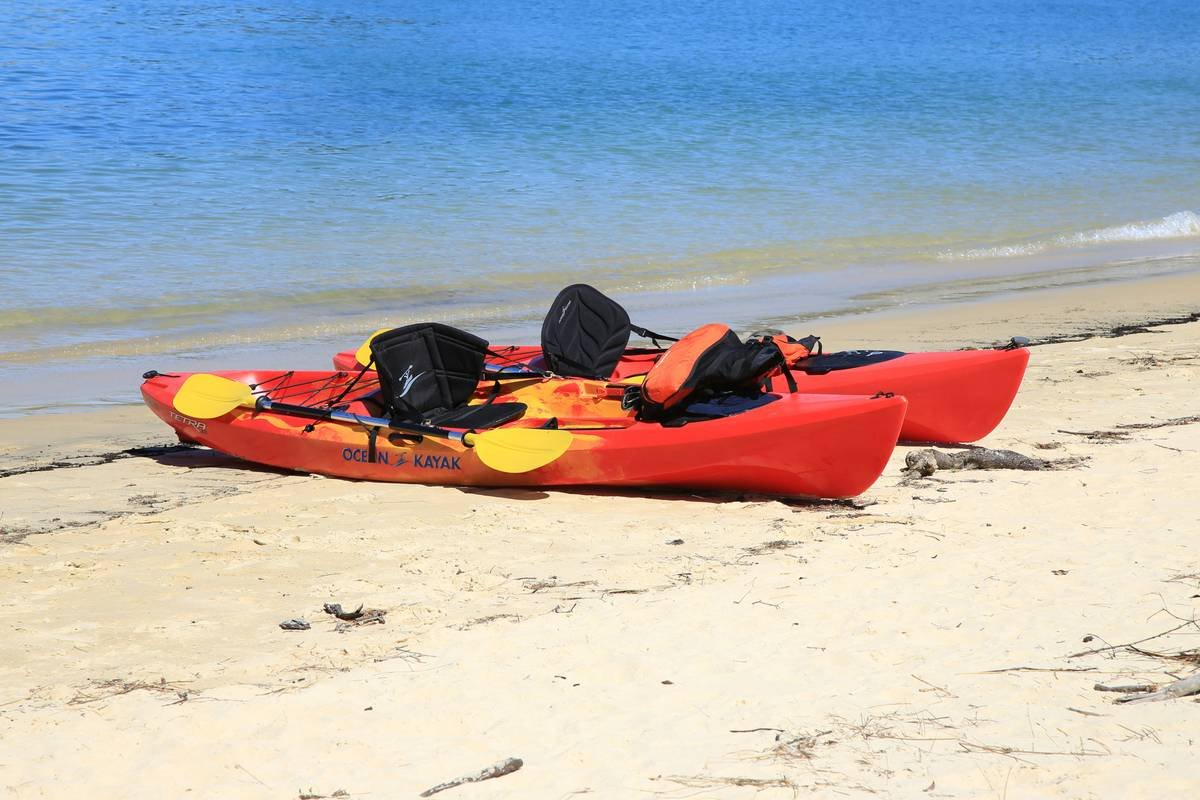
I learned this the hard way during a trip to San Diego. The sign said “$20/hr kayak rental!” What it didn’t say: $12 for a required PFD, $10 for “mandatory safety orientation,” and $15 for their non-refundable damage waiver. My two-hour paddle? $94. I left parched, salty—and seriously side-eyed every “cheap” rental ad since.
Step-by-Step Guide to Renting a Kayak Without Getting Ripped Off
Step 1: Research Local Outfitters—Don’t Just Pick the First Dock
Use Google Maps + reviews filtered by “kayak” or “paddle.” Look for phrases like “transparent pricing” or “no hidden fees.” Avoid places with repeated complaints about damaged-equipment charges.
Step 2: Ask the Right Questions (Before You Book)
Step 3: Inspect the Kayak—Document Everything
Take timestamped photos of scratches, dents, or loose parts before launching. One client of mine—a friend who runs a Maine kayak tour—told me 60% of damage disputes vanish when renters provide photo proof.
Step 4: Understand Your Coverage Gaps
Most rental “insurance” is actually a damage waiver—meaning the shop won’t charge you for accidental damage, but it won’t cover theft, negligence (e.g., leaving it unattended), or bodily injury. And no, your Visa Infinite card’s “rental coverage” typically excludes non-motorized watercraft. Always check your card’s terms.
Pro Tips for Saving Money (and Avoiding Headaches)
Grumpy Optimist Dialogue
Optimist You: “Follow these tips—you’ll save 30% and paddle stress-free!”
Grumpy You: “Ugh, fine—but only if they throw in free sunscreen. Sunburn ruins everything.”
Terrible Tip Disclaimer
“Skip the damage waiver to save $10.” Nope. Unless you’re ready to pay $800+ for a cracked hull (true story—I saw it happen in Acadia), that waiver is worth every penny.
Niche Pet Peeve Rant
Why do some rental shops call their flimsy $12/day damage waiver “full coverage insurance”? It’s not insurance—it’s a glorified opt-out of full liability. Call it what it is. This semantic sleight-of-hand has screwed over too many honest paddlers. Be transparent, or lose my business.
Real Stories from the Water: When Rental Insurance Saved the Day
Last summer, Sarah M. from Denver rented a tandem kayak in Florida Everglades National Park. A sudden squall flipped them. The kayak slammed into mangrove roots, cracking the stern. Total damage: ~$1,100.
Because she’d paid the $14 damage waiver, her out-of-pocket cost? $0.
Contrast that with Mark T. in Lake George, NY. He declined the $10 waiver (“I’ve kayaked since college!”). His foot slipped getting out—he dropped the kayak on a dock cleat. Dent + structural crack. Bill: $625. His homeowner’s policy denied the claim: “Watercraft excluded.”
Moral? Experience ≠ immunity. Conditions change fast. Gear breaks. Waivers aren’t sexy—but they’re your financial life jacket.
FAQ: How Much to Rent a Kayak?
How much does it cost to rent a kayak for a day?
Average is $60–$120, but ranges from $40 (Midwest state parks) to $150+ (Hawaii or popular coastal towns).
Do I need insurance to rent a kayak?
Not legally—but most reputable shops require a damage waiver. True insurance (covering liability or medical) isn’t typically needed for recreational use, but consider travel insurance with adventure sports coverage for multi-day trips.
Can I use my credit card’s rental insurance for kayaks?
Almost never. Visa/Mastercard premium benefits usually cover motorized vehicles. Kayaks, canoes, and paddleboards are excluded. Always verify with your issuer.
Is it cheaper to rent or buy a kayak?
If you’ll use it 5+ times a year, buying makes sense. Entry-level recreational kayaks start at $300–$500. Factor in transport, storage, and maintenance—but you’ll break even by Year 2.
What’s included in a standard kayak rental?
Typically: kayak, paddle, PFD, and safety briefing. Dry bags, maps, or GPS trackers often cost extra.
Conclusion
So—how much to rent a kayak? On paper: $15–$50/hour. In reality: your final cost hinges on location, season, add-ons, and whether you protect yourself from surprise damage bills.
Do your homework. Ask questions. Document pre-existing damage. And never assume “insurance” means full coverage.
Kayaking should be about freedom, not financial fear. With these insights, you’ll paddle smarter—and keep more cash in your pocket for post-adventure fish tacos.
Like a 2000s flip phone, your kayak rental plan needs simplicity, reliability, and zero drama.
Haiku:
Sun on still water,
Paddle dips, ripples unfold—
Check the fine print first.