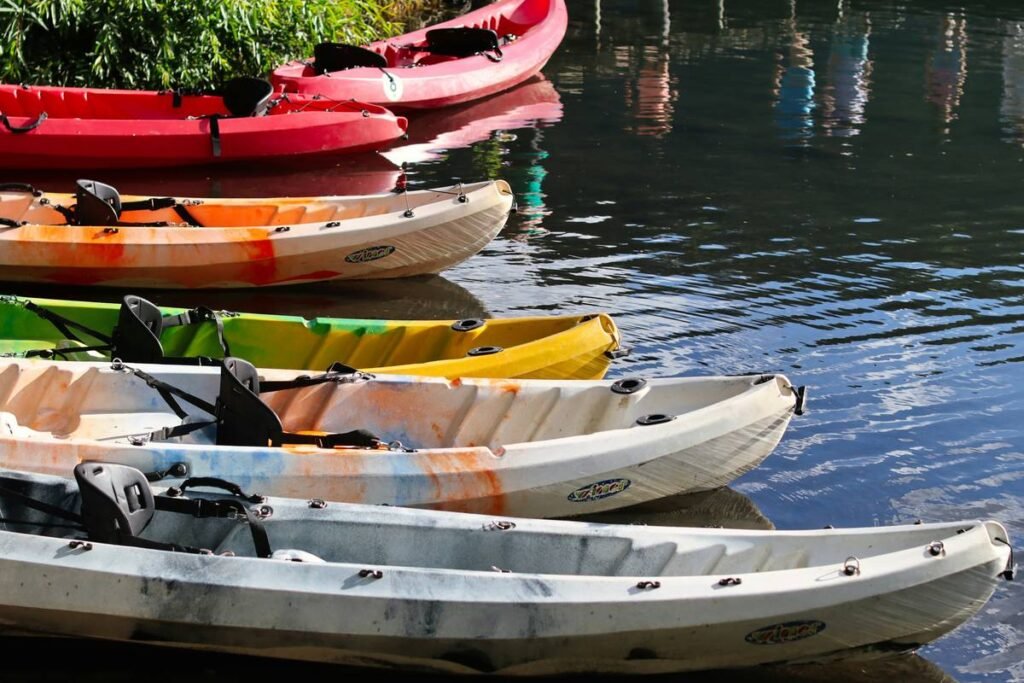
You rent kayaks on a scenic river. Tourists paddle happily. Then—bam—a client capsizes near a chemical runoff pipe, contaminates the water, and suddenly you’re on the hook for thousands in cleanup costs. Standard liability policies shrug. What is pollution insurance? It’s your financial life raft when “act of nature” becomes “act of negligence”—real or perceived.
The Dirty Truth About Standard Liability Coverage
Most kayak rental operators assume their general liability policy covers environmental mishaps. It doesn’t. Not even close. These policies explicitly exclude “sudden and accidental” pollution events—like fuel leaks from support boats, sunscreen runoff in protected zones, or accidental disturbance of contaminated sediment.
And here’s the kicker: regulators don’t care if you caused it. If your business is operating in the area, you’re often deemed responsible by default. The fines? Easily $10,000–$50,000 per incident. Legal defense? Extra.
What Is Pollution Insurance: A Step-by-Step Guide for Water Sport Operators
Pollution insurance isn’t one-size-fits-all. For river-based kayak rentals, you need a tailored endorsement—not a generic commercial policy slapped with a green sticker.
Step 1: Identify Your Exposure Zones
Not all rivers are equal. Is your route near agricultural discharge points? Old industrial sites? Protected wetlands? Map it. Your premium hinges on risk density—not just square footage.
Step 2: Choose Between First-Party vs. Third-Party Coverage
First-party covers your cleanup costs. Third-party covers damages you cause to others’ property or ecosystems. Most kayak outfits need both—but don’t overpay for offshore oil-spill tiers you’ll never use.
Step 3: Compare Real-World Costs
| Policy Type | Annual Cost (Est.) | Coverage Scope | Kayak Rental Relevance |
|---|---|---|---|
| Basic General Liability | $600–$1,200 | Excludes all pollution | Useless for contamination claims |
| Standalone Pollution Policy | $2,500–$5,000 | Covers cleanup, fines, third-party damage | Ideal for high-risk rivers |
| Pollution Endorsement (Added to GL) | $900–$1,800 | Limited sudden/accidental coverage | Budget-friendly for low-risk zones |
The Industry Secret No One Talks About
Here’s something insurers won’t volunteer: many pollution claims stem not from spills—but from perception. A tourist films murky water after your group paddles through an algal bloom. They post it online blaming your tour. Local authorities launch an inquiry. Even if you’re innocent, you still pay legal fees and PR damage control. Pollution insurance often covers reputational remediation—yes, really. But only if you have the right wording in your policy. Demand “defense against unfounded allegations” as a clause. Few do. Those who do? Sleep better.
Frequently Asked Questions
Does pollution insurance cover accidental sunscreen leakage from renters?
Yes—if your policy includes “non-owned pollutant liability.” Many eco-sensitive rivers now classify certain sunscreens as contaminants.
Is pollution insurance required by law for kayak rentals?
Not federally—but many state parks, national forests, and private landowners mandate it before granting launch permits.
How fast does pollution insurance kick in after an incident?
Most policies activate immediately upon reporting. Document everything—photos, GPS tracks, witness statements—to speed up claims.