Ever paddled into calm waters only to have your kayak sideswiped by a rogue speedboat—leaving you soaked, stranded, and stuck with a $2,500 repair bill? Yeah. That happened to my buddy Dave last summer. And here’s the kicker: his rental insurance had lapsed two weeks prior because he forgot to renew it. Cue the horror-movie violin screech.
If you rent kayaks regularly—or manage a rental shop—kayak insurance renewal isn’t just paperwork. It’s your safety net when Mother Nature (or an inattentive Jet Skier) throws a curveball. In this post, you’ll learn:
- Why standard renters or homeowners policies usually don’t cover kayak damage or liability
- The exact steps to renew your kayak rental insurance without overpaying
- Real-world claims data that prove why timing matters
- Red flags that signal your policy is about to ghost you (and how to stop it)
Table of Contents
- Why Kayak Insurance Renewal Matters (Even If You’re “Careful”)
- How to Renew Your Kayak Insurance: A Stress-Free Checklist
- 5 Best Practices for Smart (and Affordable) Renewal
- What Happens When You Forget? A Real Claims Case Study
- Kayak Insurance Renewal FAQ
Key Takeaways
- Most personal insurance policies exclude watercraft over 25 lbs—many kayaks weigh 40–70 lbs.
- Lapse periods as short as 1 day can void coverage for pre-existing damage (yes, really).
- Specialty insurers like BoatUS, GEICO Watercraft, and PWCInsurance.com offer kayak-specific plans starting at $85/year.
- Renewal isn’t just about price—check for new exclusions like “invasive species contamination” or “commercial use riders.”
Why Kayak Insurance Renewal Matters (Even If You’re “Careful”)
Let’s clear the water: being a cautious paddler doesn’t make you immune to claims. According to the U.S. Coast Guard’s 2023 Recreational Boating Statistics, over 650 non-fatal kayak incidents involved property damage—and nearly 40% occurred during rentals. Worse yet, many rental operators require proof of active insurance before handing over a paddle.
Here’s where people get tripped up: they assume their homeowners or renters insurance covers their kayak. But most standard policies cap watercraft liability at $1,000—and exclude vessels over 25 pounds. Given that even a basic recreational kayak weighs 40–70 lbs, you’re likely uncovered. Add a cracked hull from hitting submerged rocks or injuring a swimmer during launch, and you’re personally on the hook.
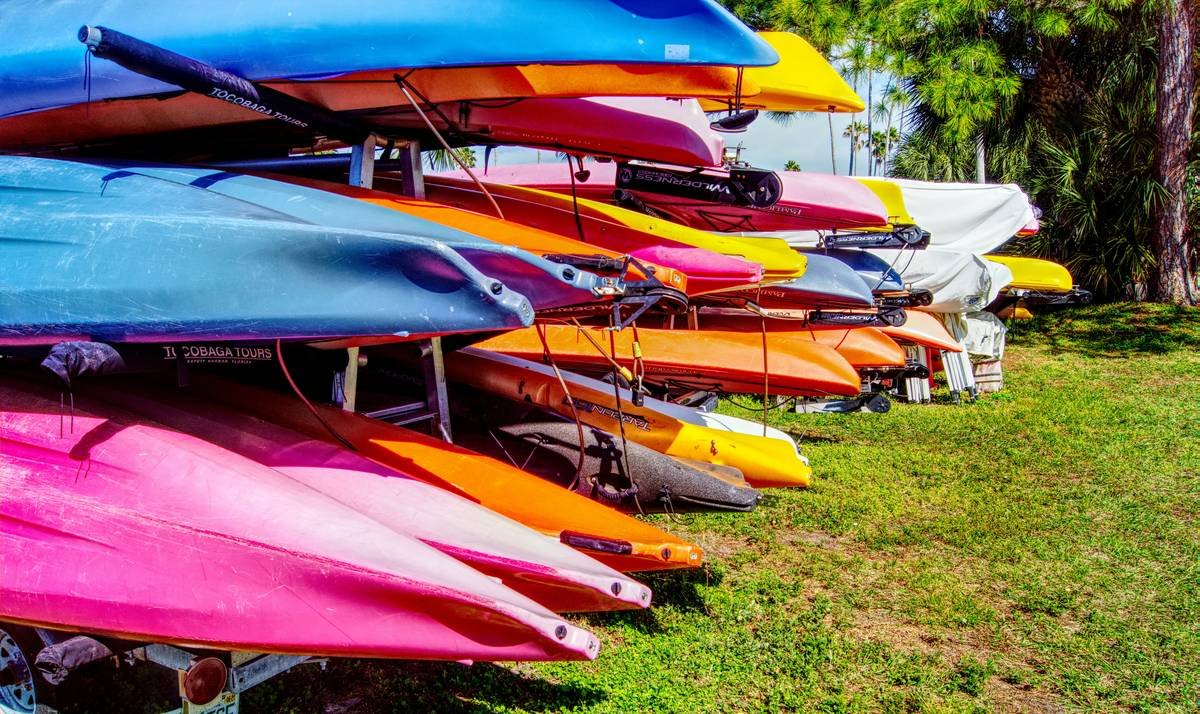
And if you’re running a rental business? One uninsured incident can trigger lawsuits that threaten your entire operation. Don’t be Dave. Renew smart.
How to Renew Your Kayak Insurance: A Stress-Free Checklist
“Do I just click ‘Renew’ and call it a day?”
Optimist You: “Absolutely! It’s seamless!”
Grumpy You: “Ugh, fine—but only if I don’t have to talk to a human who puts me on hold for 27 minutes while ‘checking system availability.’”
Truth? Renewal should take under 10 minutes—if you prep right. Here’s your battle-tested workflow:
Step 1: Audit Your Current Policy (Don’t Just Auto-Renew Blindly)
Pull your declarations page. Check:
- Coverage limits for physical damage (hull, rudder, seat)
- Liability cap (minimum recommended: $100,000)
- Exclusions (e.g., saltwater use, racing, tandem kayaks)
- Commercial vs. personal use designation
If you’ve added gear like fish finders or roof racks, those may need endorsement.
Step 2: Shop Around (Yes, Even During Renewal)
Insurers often hike rates quietly. Compare quotes from:
- BoatUS (best for single kayaks)
- GEICO Watercraft (bundling discounts)
- PWCInsurance.com (specializes in rentals)
Use identical specs so comparisons are apples-to-apples.
Step 3: Adjust Deductibles Strategically
Raising your deductible from $250 to $500 can slash premiums by 15–20%. But only do this if you’ve got emergency savings. (Pro tip: Set up a “kayak fund” auto-transfer after each renewal.)
Step 4: Confirm Continuous Coverage
Request a certificate of insurance (COI) showing no lapse. Some states (looking at you, Florida and California) require uninterrupted coverage for certain waterways.
5 Best Practices for Smart (and Affordable) Renewal
- Renew 30 Days Early: Avoid grace-period limbo. Insurers like Progressive apply new exclusions immediately upon renewal—not after the old policy expires.
- Document Your Kayak’s Condition: Take timestamped photos pre-renewal. If a claim arises, you’ll prove pre-existing damage wasn’t your fault.
- Add Rental Endorsement If Needed: Personal policies void coverage if you monetize rentals. A commercial rider costs ~$40/year extra but prevents total denial.
- Ask About Safety Discounts: Completed a certified kayak safety course? Some carriers (like Markel) offer 10% off.
- Never Assume “Automatic Renewal” = Best Deal: One client saved $120/year by switching from Allstate to BoatUS—even though Allstate auto-renewed him at a 22% higher rate.
⚠️ Terrible Tip Disclaimer
“Just let it lapse—you’ll buy a new policy if something happens.” NO. Lapses create coverage gaps insurers exploit. One missed payment = zero protection if your kayak sinks tomorrow. Don’t be that person.
What Happens When You Forget? A Real Claims Case Study
“My Kayak Was Stolen From My Car Roof—And My Insurer Said ‘Nope’”
Last May, Sarah K. from Portland rented a $1,800 fishing kayak weekly through her side gig. She forgot to renew her BoatUS policy (lapsed June 3). On June 5, someone cut the straps and stole it from her parked SUV.
She filed a claim—only to learn her lapsed policy voided theft coverage. Worse, her renters insurance excluded “unattended watercraft.” Total out-of-pocket loss: $1,800 + $200 in lost rental income.
Moral? Automatic reminders aren’t foolproof. I now use Google Calendar alerts labeled “KAYAK INSURANCE RENEWAL – DO NOT IGNORE OR LOSE $2K” with an obnoxious alarm tone. Sounds like your laptop fan during a 4K render—whirrrr. But it works.
Kayak Insurance Renewal FAQ
Does kayak insurance cover rental customers?
Only if you have a commercial/general liability policy. Personal kayak insurance protects your boat—not injuries to renters. Rental shops must carry separate business liability coverage.
How much does kayak insurance renewal typically cost?
Personal policies: $85–$150/year for $2,500 hull coverage + $100K liability. Commercial rental policies start at $250/year per kayak, depending on fleet size and location.
Can I renew mid-season if I just bought a kayak?
Yes! Most insurers prorate premiums. But don’t wait—coverage starts only after binding (usually 24–48 hours post-payment).
What’s the #1 reason claims get denied during renewal?
Undisclosed modifications. Added a motor to your pedal kayak? That’s now a “motorized vessel”—and most base policies exclude it unless endorsed.
Conclusion
Kayak insurance renewal isn’t bureaucracy—it’s peace of mind wrapped in waterproof paperwork. Whether you’re a weekend warrior or run a bustling rental shop, letting coverage lapse risks financial wipeout from something as simple as a dock collision or theft. Audit your policy, compare quotes, and lock in continuous coverage before your next paddle. Because the only thing worse than capsizing? Capsizing and getting a bill for it.
Like a Tamagotchi, your kayak insurance needs daily care—or at least annual attention.
Ocean whispers low,
Hull cracks, waves crash, bills arise—
Renewal saves dough.