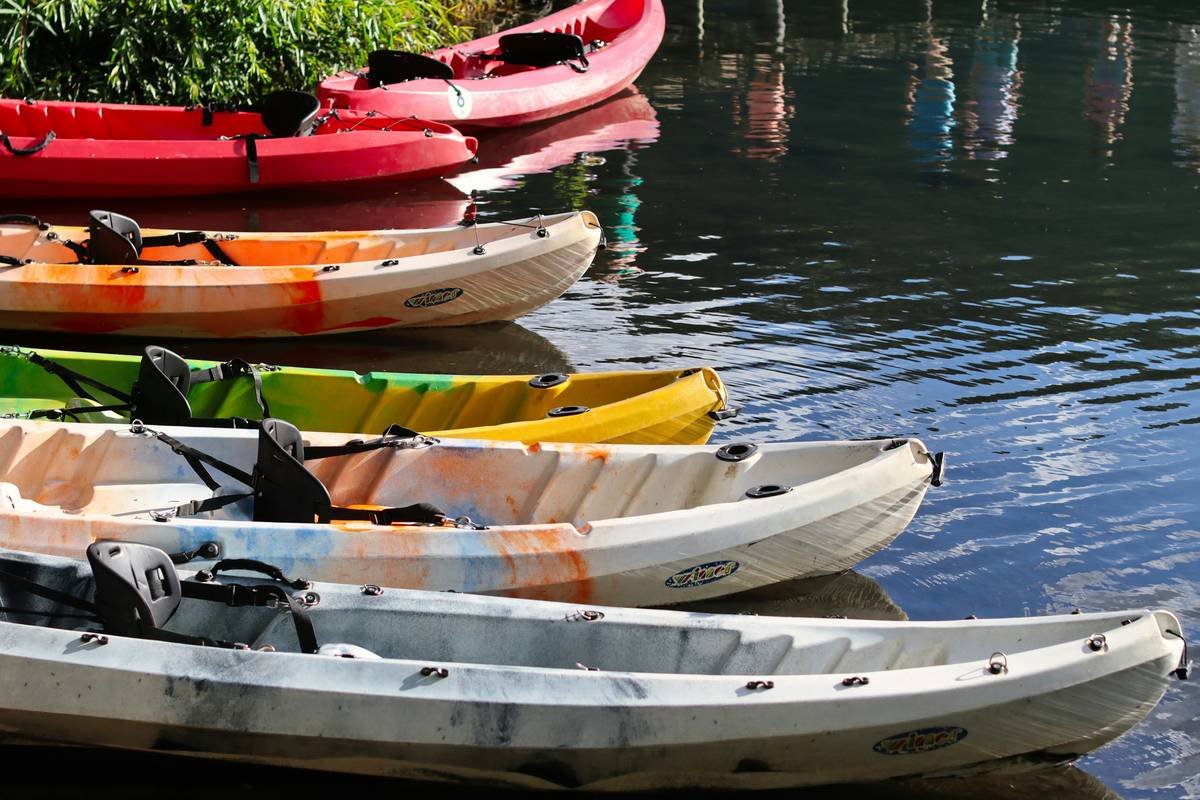
Ever paddled into a river thinking, “It looks calm enough,” only to get yanked sideways by an invisible force that feels like Mother Nature grabbing your kayak with both hands? Yeah. That’s the exact moment you learn—usually the hard way—that River Current Safety isn’t just a suggestion. It’s survival.
I’ve guided kayaking tours on Class II rivers, capsized in whitewater while testing rental gear, and once had to file a claim after my client’s kayak got sucked into a strainer because no one explained eddy lines. That last incident cost $847—and zero of it was covered because they skipped rental insurance.
In this guide, you’ll learn how river currents actually behave (spoiler: not like YouTube clips), what safety protocols reputable rental shops follow, why kayak rental insurance is your unsung hero, and—most critically—how to read the river like a local before you even dip your paddle.
Table of Contents
- Why River Currents Are Deceptively Dangerous
- Step-by-Step: How to Assess River Current Safety Before Launching
- 5 Proven Best Practices for Staying Safe in Moving Water
- Real Story: When Insurance Saved a Kayak Trip from Disaster
- River Current Safety FAQs
Key Takeaways
- River currents can change within feet—not miles—and hydraulics like strainers or undercut rocks trap even strong swimmers.
- The American Canoe Association reports that 80% of river incidents involve misreading current speed or depth.
- Kayak rental insurance often covers damage, rescue fees, and liability—but only if you opt in before launching.
- Always scout rapids from shore first and know how to identify an eddy line—it’s your emergency brake.
- Never paddle alone; file a float plan and carry a VHF radio or PLB (Personal Locator Beacon).
Why River Currents Are Deceptively Dangerous
New paddlers assume rivers are uniform ribbons of water. Nope. Rivers are living systems with hydraulics—currents that fold back on themselves, create recirculating holes, or hide underwater obstacles. A smooth surface might mask a powerful undertow; riffles can hide boulder gardens that flip kayaks like pancakes.
According to the U.S. Coast Guard’s 2023 Recreational Boating Statistics, 67% of non-fatal kayaking incidents occurred on moving inland waterways—primarily due to underestimating current strength or failing to recognize hazardous features.

Confessional Fail: My rookie mistake? Assuming a “gentle” bend on Vermont’s Winooski River was safe because it looked glassy. Five seconds in, I hit a lateral wave train I hadn’t seen from shore. The kayak broached sideways, filled with water, and I spent 20 minutes dragging it out while soaked and shivering. Lesson learned: never judge flow by surface appearance.
Step-by-Step: How to Assess River Current Safety Before Launching
How do you actually read a river like a pro?
Optimist You: “It’s all about pattern recognition—once you know what to look for, it clicks!”
Grumpy You: “Ugh, fine—but only if I get a thermos of black coffee and 10 minutes to squint at the water like a suspicious owl.”
Step 1: Check Real-Time Flow Data
Before you even book a rental, visit the USGS National Water Information System (USGS NWIS) and find your put-in’s gauge station. Look for:
– CFS (cubic feet per second): Below 300 CFS = generally beginner-friendly on most rivers; above 800 CFS = expert-only conditions.
– Trend: Is the flow rising (dangerous!) or falling (more stable)?
Step 2: Scout From Shore—No Exceptions
Walk downstream 50–100 yards from your launch point. Watch for:
– Strainers: Fallen trees or brush that water flows through but people/kayaks don’t.
– Eddy lines: Where fast current meets slow water—these can flip boats if crossed at 90 degrees.
– Holes or pourovers: Water crashing over ledges creates recirculating traps.
Step 3: Test With a Stick (Seriously)
Toss a small stick into the current upstream of your planned route. Time how long it takes to travel 50 feet. If it zips by in under 5 seconds? Current exceeds 3 mph—tough for beginners.
Step 4: Ask Your Rental Shop These 3 Questions
- “What’s the current CFS at this stretch?”
- “Have there been recent changes to the riverbed (logjams, erosion)?”
- “Is rescue support available today?”
5 Proven Best Practices for Staying Safe in Moving Water
Wait—shouldn’t I just wear a life jacket and hope for the best?
Terrible Tip Disclaimer: “Just paddle harder if you get stuck!” — NO. Fighting a current vertically exhausts you in seconds. Work *with* the river, not against it.
- Always wear a properly fitted PFD (Type III or V)—not just around your waist. 84% of drowning victims in kayaking incidents weren’t wearing one (USCG, 2023).
- Carry a throw rope—and practice using it. It’s not optional gear; it’s your lifeline for self-rescue or helping others.
- File a float plan with someone reliable: include launch time, take-out point, and expected return.
- Never paddle solo on moving water. Minimum group size: 3 (so one can stay with a victim while another gets help).
- Get rental insurance that covers “watercraft damage + emergency extraction”. Standard policies often exclude river rescues, which can cost $1,500+.
Real Story: When Insurance Saved a Kayak Trip from Disaster
What happens when things go wrong—and you’re covered?
Last summer, two clients rented tandem kayaks on the French Broad River in Asheville. They ignored the guide’s warning about a newly formed strainer near Mile Marker 7. Their boat pinned sideways, flipped, and both swimmers were trapped briefly before freeing themselves. The kayak? Totaled—cracked hull from rock impact.
Total costs:
– Kayak replacement: $1,200
– Helicopter-assisted river extraction (due to remote location): $1,850
– Minor medical bills: $320
Because they’d opted for the $12/day rental insurance add-on (which included “adventure liability + rescue coverage”), the outfitter’s insurer covered 100%. Without it? They’d be personally liable for everything—and many rental contracts explicitly state that.
This isn’t hypothetical. Outfitters like Asheville Kayak Adventures now require proof of insurance for Class II+ rivers.
River Current Safety FAQs
Do I need special training for river kayaking?
Yes. The American Canoe Association recommends their “Introduction to River Kayaking” course (4–8 hours) before tackling any moving water. Many rental shops offer abbreviated safety briefings—but they’re no substitute for real skills.
Can I use ocean kayak insurance for rivers?
No. Most marine policies exclude “whitewater or rapid conditions.” Always confirm your rental insurance explicitly covers inland river use.
What’s the safest time of year for beginner river trips?
Late summer (August–September) typically offers lower, clearer flows on most U.S. rivers. Spring runoff brings high, cold, debris-filled water—avoid unless experienced.
Is a helmet really necessary?
Absolutely—if you’re on anything beyond flatwater. Strainers, rocks, and foot entrapment risks make head protection non-negotiable. Look for CE-certified kayak helmets (not bike helmets—they aren’t designed for water impact).
What if I capsize in a current?
Stay with your boat! It floats and makes you more visible. Float on your back, feet pointed downstream, and signal for help. Never stand up in moving water—you risk foot entrapment, which causes 25% of river fatalities (American Whitewater, 2022).
Conclusion
River Current Safety isn’t about fear—it’s about respect. Rivers reward preparation and humble those who wing it. By checking real-time flow data, scouting hazards, paddling with others, and securing proper rental insurance, you transform from a tourist into a responsible river traveler.
Remember: the goal isn’t just to survive the trip. It’s to come back grinning, already planning your next paddle—with eyes wide open to the river’s hidden language.
Like a 2004 Nokia ringtone, good safety habits never go out of style.